
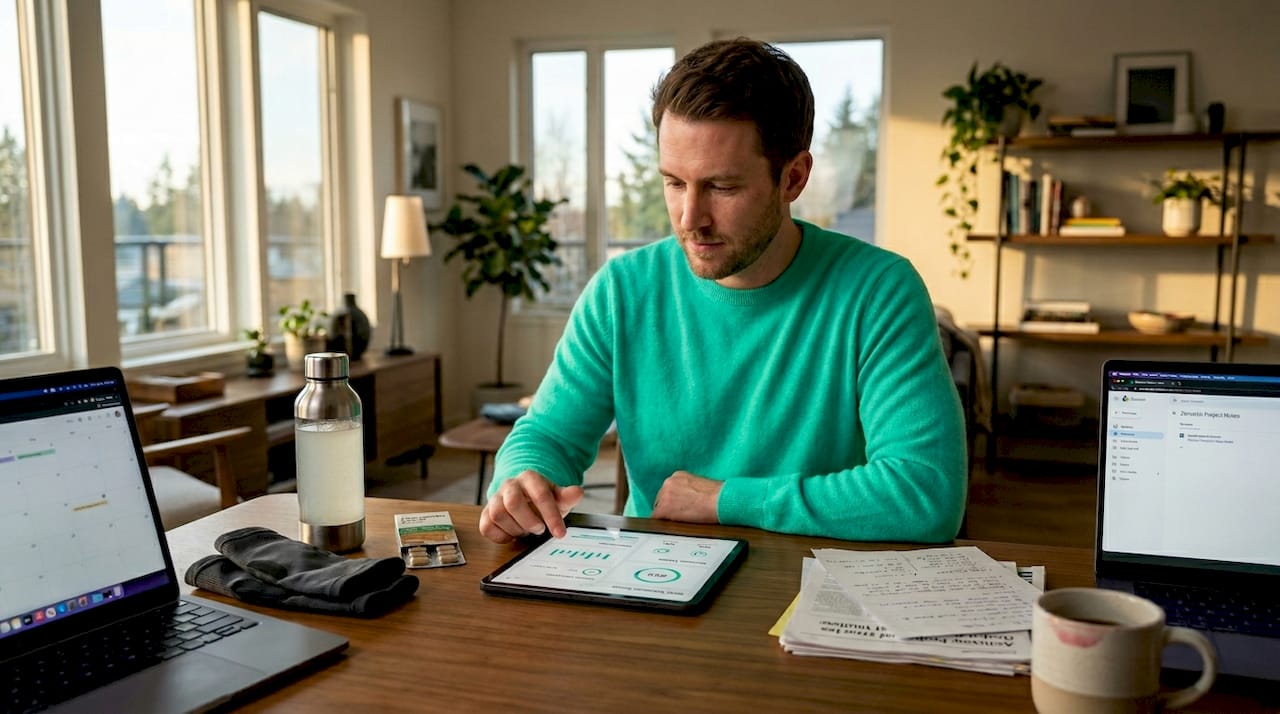
Why Professionals Prioritize Recovery Products for Performance
Recovery products are defined as tools, supplements, and monitoring devices used to restore physical and cognitive function after stress, exertion, or sustained mental effort. Why professionals prioritize recovery products comes down to one measurable outcome: sustained performance without burnout. Research now confirms that compression boots, massage guns, HRV monitors, and antioxidant supplements each address specific physiological mechanisms, from reducing cortisol to improving blood flow, that directly affect how well you work and how long you last. This is not a fitness trend. It is a professional strategy backed by clinical data.
Why professionals prioritize recovery products to sustain performance
The core reason professionals invest in recovery tools is physiological. Chronic occupational stress dysregulates the HPA axis, the hormonal system governing your body’s stress response, which leads to elevated cortisol, disrupted sleep, and declining cognitive output. Recovery products interrupt that cycle at specific points.
Compression devices improve venous return and reduce localized inflammation after long periods of sitting or standing. Massage tools, including percussive devices like Theragun and Hypervolt, release myofascial tension and increase range of motion, which matters for professionals who carry physical tension from desk work or travel. The benefits of recovery tools extend beyond the physical. Multi-antioxidant supplementation significantly decreases hair cortisol concentration, dropping from 217.19 to 31.64 pg/mg in administrative workers. That is not a marginal change. It represents a near-complete normalization of a chronic stress biomarker.
Sleep is the most underrated recovery product category. Digital mindfulness interventions improve sleep quality with a Hedges’ g of 0.38 across 18 randomized controlled trials, meaning the effect is moderate and consistent across diverse adult populations. Better sleep directly restores prefrontal cortex function, which governs decision-making, emotional regulation, and focus.
- Compression boots reduce post-exertion soreness and improve circulation in professionals who stand or travel frequently
- Percussive massage tools address muscle stiffness and tension that accumulates during sedentary work
- Antioxidant supplements target oxidative stress and cortisol, two measurable markers of occupational fatigue
- Sleep and mindfulness apps like Calm or Headspace deliver clinically validated improvements in sleep quality
Pro Tip: Start with one recovery product that targets your primary stressor. If your issue is poor sleep, a digital mindfulness program delivers measurable results faster than adding a supplement you have not yet tested.
What types of recovery products do professionals actually use?
Professionals use a wider range of recovery products than most people realize, and the choice depends on the specific stress mechanism they are targeting. The four main categories are physical recovery devices, nutritional supplements, sleep and relaxation tools, and biometric monitoring devices.
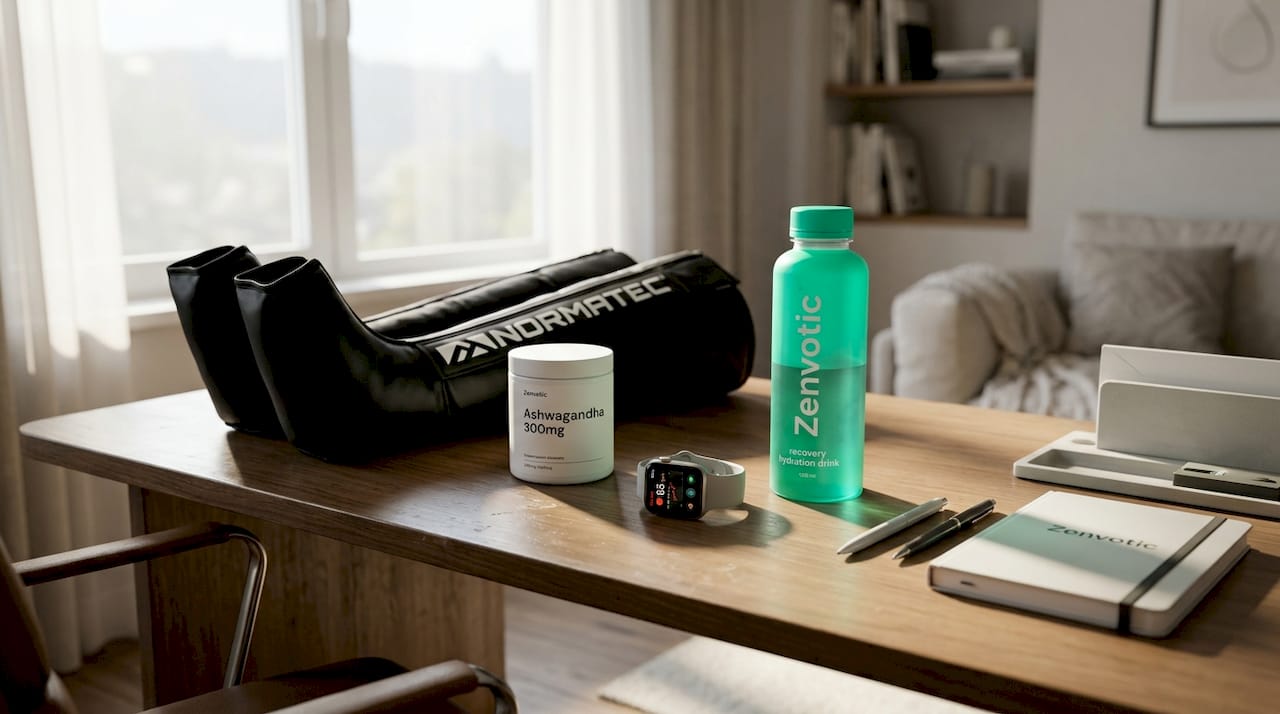
Physical devices dominate the market because their effects are immediate and tangible. Compression boots like NormaTec apply sequential pneumatic pressure to the legs, accelerating lymphatic drainage. Heated eye massagers reduce tension headaches and eye strain, which are common complaints among professionals who spend eight or more hours on screens. Massage guns deliver targeted percussive therapy to specific muscle groups in under ten minutes.
Nutritional supplements occupy a different lane. Ashwagandha at 300 mg twice daily significantly reduces serum cortisol and improves stress and anxiety scores over eight weeks in randomized trials. Apple polyphenols and astaxanthin are studied for their ability to reduce oxidative stress markers in high-demand environments. These are not general wellness claims. They are specific biochemical interventions.
| Product type | Primary benefit | Best use case | Limitation |
|---|---|---|---|
| Compression boots (NormaTec) | Reduces inflammation, improves circulation | Post-travel, post-workout recovery | High cost, requires 20-30 minutes |
| Percussive massage tools (Theragun) | Releases muscle tension, increases mobility | Daily desk tension, pre-meeting stress | Noisy, requires self-application |
| Antioxidant supplements (DS2.0, ashwagandha) | Lowers cortisol, reduces fatigue scores | Chronic occupational stress | Effects build over weeks, not days |
| Heated eye massagers | Reduces eye strain and tension headaches | Screen-heavy work environments | Situational, not systemic |
| HRV monitors (Polar H10, Garmin) | Tracks autonomic recovery state | Training load management, fatigue detection | Requires consistent daily use |
Recovery-focused hydration products, including electrolyte drinks with carbohydrates, support performance during and after exertion. However, broader recovery claims for sports drinks, such as immune support or anti-inflammatory effects, are context-dependent and should not be taken at face value without reviewing the specific evidence.
How does recovery monitoring improve professional recovery strategies?
Recovery monitoring transforms recovery from a passive activity into a data-driven practice. Heart rate variability, or HRV, measures the variation in time between consecutive heartbeats. A higher HRV indicates a well-recovered autonomic nervous system. A declining HRV trend signals accumulated fatigue before you consciously feel it.
HRV-guided training outperforms fixed training plans on VO2max and peak power output, according to a systematic review of 14 studies. The same principle applies to professional recovery. When you know your autonomic state, you can decide whether to push through a demanding day or protect your recovery window. That decision, made with data, prevents the overtraining equivalent in professional life: chronic burnout.
Here is how to integrate HRV monitoring effectively:
- Choose a reliable device. Chest straps like the Polar H10 provide more accurate HRV readings than wrist-based wearables, which are prone to motion artifact.
- Measure at the same time daily. Morning HRV, taken immediately after waking and before coffee or movement, gives the most consistent baseline.
- Use a 7-day rolling average. Day-to-day HRV fluctuations are normal. A rolling average smooths noise and reveals genuine trends.
- Combine with subjective data. Mood, sleep quality, and perceived energy scores, tracked alongside HRV, provide a more accurate recovery picture than HRV alone.
- Act on trends, not single readings. A single low HRV day is not an alarm. Three consecutive low readings with declining subjective scores is a signal to reduce load.
Pro Tip: Apps like HRV4Training or Elite HRV allow you to log both biometric and subjective data in one place, making it easier to spot the patterns that matter over weeks rather than days.
Combining HRV with wellness scales prevents false positives and gives professionals a reliable early warning system for fatigue. This is why recovery monitoring has moved from elite sport into corporate wellness programs at companies like Google and McKinsey.
Nutritional strategies that support professional recovery
Nutrition is the foundation of every recovery strategy, and it is the area most professionals underinvest in relative to devices and supplements. Before any supplement delivers its intended effect, your baseline hydration, carbohydrate availability, and micronutrient status need to be adequate.
Foundational recovery measures like sleep, nutrition, and hydration must be optimized before layering supplements or devices on top. This is not a caveat. It is a sequencing rule. A massage gun will not offset the cognitive impairment from chronic dehydration.
Once the basics are covered, targeted supplementation adds measurable value:
- Electrolyte and carbohydrate drinks restore glycogen and fluid balance after physical or cognitive exertion, supporting sustained alertness
- Multi-antioxidant formulas containing compounds like apple polyphenols and astaxanthin reduce occupational fatigue scores and stress biomarkers in office-based professionals
- Ashwagandha is the most evidence-backed botanical for stress regulation, with RCT data showing significant cortisol reduction over eight weeks
- Magnesium glycinate supports sleep onset and muscle relaxation, addressing two of the most common recovery deficits in high-stress professionals
The caution here is proportionality. Recovery-focused hydration products have solid evidence for rehydration and performance support, but claims about immune modulation or systemic anti-inflammation require more context-specific evidence before you invest heavily. Choose supplements with clinical trial data behind specific outcomes, not broad wellness marketing language.
Sleep and recovery are now recognized as direct productivity levers in professional settings, not just rest periods. Professionals who treat nutrition and sleep as recovery infrastructure, rather than afterthoughts, consistently outperform those who rely on stimulants and willpower alone.
Key takeaways
Professionals who treat recovery as a system, not a supplement, achieve measurable and lasting performance gains.
| Point | Details |
|---|---|
| Recovery products target specific mechanisms | Compression, massage, and supplements each address distinct physiological stress pathways. |
| HRV monitoring enables proactive fatigue management | Use 7-day rolling averages and combine with subjective wellness data for accuracy. |
| Antioxidant supplements reduce cortisol measurably | Multi-antioxidant formulas show significant hair cortisol reduction in office workers. |
| Nutrition and sleep come before devices | Foundational recovery must be optimized before supplements or tools add their full effect. |
| Recovery is a professional strategy, not a fitness trend | HPA axis regulation and cognitive performance are the real targets for working professionals. |
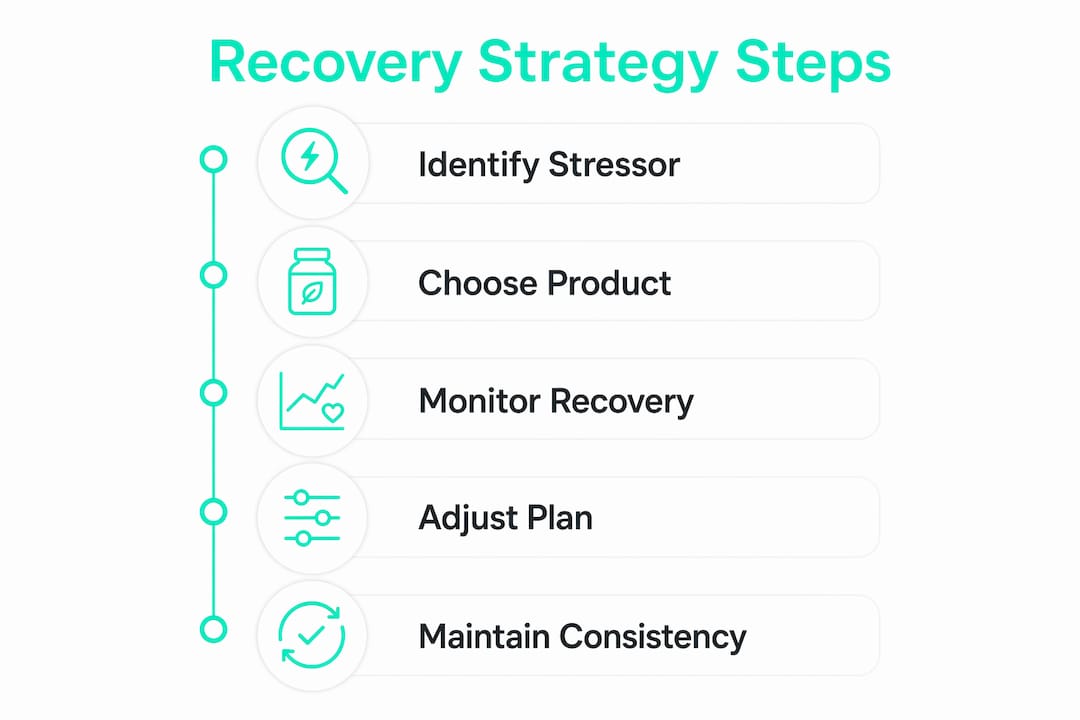
Recovery products work best when you treat them as a system
I have spent years watching professionals buy the most expensive recovery tools available and then wonder why nothing changes. The problem is almost never the product. It is the sequence and the context.
The professionals I have seen get the most out of recovery products share one habit: they fix sleep first. Not with a supplement or a device, but with consistent sleep timing and a dark, cool room. Once that baseline is solid, everything else, whether it is a Theragun session, an ashwagandha protocol, or HRV tracking, starts to show measurable results. Before that baseline exists, you are essentially trying to fill a leaking bucket.
The other mistake I see constantly is treating recovery products as performance enhancers rather than stress regulators. The real goal is not to feel more energized. It is to reduce the accumulated physiological debt that chronic stress creates. When you frame it that way, the product choices become clearer. You are not looking for a stimulant. You are looking for a cortisol management system.
My honest recommendation: start with one monitoring tool and one nutritional intervention. Track both for four weeks before adding anything else. The data will tell you more than any product review can.
— Zeeshan
Discover recovery products built for professional performance at Zenvotic
Zenvotic designs recovery and wellness products specifically for people who cannot afford to feel depleted. The wellness product range includes orthopedic supports, relaxation aids, and ergonomic tools built from body-safe, medical-grade materials. Every product ships fast and comes with a 30-day money-back guarantee, so you are not taking a risk when you try something new.
For professionals dealing with foot fatigue or postural strain from long work days, Zenvotic’s orthopedic sports insoles deliver shock absorption and arch support that reduce the cumulative physical load of standing and walking. If you are building a recovery strategy that addresses both physical comfort and stress regulation, Zenvotic’s catalog is a practical starting point with products that have real user outcomes behind them.
FAQ
Why do professionals prioritize recovery products over rest alone?
Recovery products accelerate specific physiological processes, such as cortisol reduction and inflammation clearance, that passive rest does not address efficiently. Tools like HRV monitors and antioxidant supplements target measurable stress biomarkers that rest alone cannot normalize quickly enough for high-demand schedules.
What is the most evidence-backed recovery supplement for professionals?
Ashwagandha has the strongest randomized trial evidence for stress regulation, with 300 mg twice daily shown to significantly reduce serum cortisol and improve anxiety scores over eight weeks. Multi-antioxidant formulas also show measurable reductions in occupational fatigue and hair cortisol in office-based workers.
How does HRV monitoring support professional recovery strategies?
HRV measures autonomic nervous system recovery state and can detect fatigue before performance declines. Using a 7-day rolling average combined with subjective wellness scores gives professionals an accurate, early signal to adjust workload or recovery intensity.
Are recovery-focused hydration drinks worth using?
Electrolyte and carbohydrate drinks reliably support rehydration and performance recovery after physical or cognitive exertion. Broader claims about immune support or anti-inflammation are context-dependent and require specific evidence before they should influence purchasing decisions.
How should professionals sequence their recovery investments?
Optimize sleep and hydration first, then add targeted supplements like ashwagandha or antioxidant formulas, and layer in monitoring devices once you have a stable baseline. Evidence confirms that recovery products deliver their full effect only when foundational measures are already in place.